Creating a Bitcoin Mining Rig: A Comprehensive Beginner's Guide
Learn how to build your own Bitcoin mining rig with our comprehensive beginner's guide. Optimize performance and maximize profits today!
Bitcoin, often referred to as the first cryptocurrency, was introduced in 2009 by an anonymous entity known as Satoshi Nakamoto. It operates on a decentralized network, allowing users to send and receive payments without the need for intermediaries like banks. This revolutionary digital currency has transformed the way we think about money, offering a secure and transparent method of conducting transactions. But what exactly is Bitcoin, and why has it gained such immense popularity? At its core, Bitcoin is a form of digital currency that utilizes blockchain technology to record transactions.
The blockchain serves as a public ledger, ensuring that all transactions are transparent and immutable. This means that once a transaction is recorded, it cannot be altered or deleted, providing a high level of security against fraud. The importance of Bitcoin extends beyond just being a medium of exchange; it represents a shift towards financial autonomy and privacy in an increasingly digital world. Understanding the significance of Bitcoin is crucial for anyone interested in the cryptocurrency landscape. As traditional financial systems face challenges such as inflation and centralization, Bitcoin offers an alternative that empowers individuals by giving them control over their own assets.
Moreover, Bitcoin's limited supply—capped at 21 million coins—creates scarcity, which can drive demand and potentially increase its value over time. This unique characteristic has attracted investors and speculators alike, further solidifying Bitcoin's position as a leading player in the cryptocurrency market. As we delve deeper into the world of Bitcoin mining, it's essential to recognize how mining plays a pivotal role in maintaining the integrity and security of the Bitcoin network. Miners validate transactions and add them to the blockchain, ensuring that the system remains decentralized and trustworthy. In this guide, we will explore how to create your own mining rig and contribute to this groundbreaking ecosystem. Moreover, Bitcoin's limited supply—capped at 21 million coins—creates scarcity, which can drive demand and potentially increase its value over time. This unique characteristic has attracted investors and speculators alike, further solidifying Bitcoin's position as a leading player in the cryptocurrency market. As we delve deeper into the world of Bitcoin mining, it's essential to recognize how mining plays a pivotal role in maintaining the integrity and security of the Bitcoin network. Miners validate transactions and add them to the blockchain, ensuring that the system remains decentralized and trustworthy. In this guide, we will explore how to create your own mining rig and contribute to this groundbreaking ecosystem. , it's essential to recognize how mining plays a pivotal role in maintaining the integrity and security of the Bitcoin network. Miners validate transactions and add them to the blockchain, ensuring that the system remains decentralized and trustworthy. In this guide, we will explore how to create your own mining rig and contribute to this groundbreaking ecosystem. Moreover, Bitcoin's limited supply—capped at 21 million coins—creates scarcity, which can drive demand and potentially increase its value over time. This unique characteristic has attracted investors and speculators alike, further solidifying Bitcoin's position as a leading player in the cryptocurrency market. As we delve deeper into the world of Bitcoin mining, it's essential to recognize how mining plays a pivotal role in maintaining the integrity and security of the Bitcoin network. Miners validate transactions and add them to the blockchain, ensuring that the system remains decentralized and trustworthy. In this guide, we will explore how to create your own mining rig and contribute to this groundbreaking ecosystem.
What is Bitcoin Mining?
Bitcoin mining is a fundamental process that underpins the entire Bitcoin network.It involves the verification of transactions and the addition of these transactions to the public ledger known as the blockchain. This process not only secures the network but also introduces new bitcoins into circulation, making it a crucial component of the cryptocurrency ecosystem. At its core, Bitcoin mining is about solving complex mathematical problems. When a user initiates a transaction, it is broadcasted to the network and collected into a pool of unconfirmed transactions. Miners then compete to validate these transactions by solving cryptographic puzzles.
The first miner to solve the puzzle gets to add a new block of transactions to the blockchain and is rewarded with newly minted bitcoins as well as transaction fees from the transactions included in that block. The mining process can be broken down into several key steps: The first miner to solve the puzzle gets to add a new block of transactions to the blockchain and is rewarded with newly minted bitcoins as well as transaction fees from the transactions included in that block. The mining process can be broken down into several key steps:
- Transaction Verification: Miners collect pending transactions from the network and verify their authenticity. This ensures that the sender has sufficient balance and that the transaction follows all necessary protocols.
- Block Creation: Once verified, these transactions are grouped together into a block. Each block contains a set of transactions, a timestamp, and a reference to the previous block, creating a chain.
-
Hashing: Miners then work on finding a hash for this new block. A hash is a fixed-length string generated by a hashing algorithm (SHA-256 for Bitcoin) that uniquely represents the data in the block.
The goal is to find a hash that meets certain criteria, which requires significant computational power.
- Difficulty Adjustment: The Bitcoin network adjusts the difficulty of mining approximately every two weeks to ensure that blocks are added at a consistent rate, roughly every ten minutes. This adjustment helps maintain stability in transaction processing times.
- Block Reward: Upon successfully mining a block, the miner receives a reward in bitcoins, which serves as an incentive for their efforts. This reward decreases over time through events known as "halvings," which occur approximately every four years.
Essential Components of a Mining Rig
Building a successful mining rig for Bitcoin requires a careful selection of hardware components that work together efficiently.Each component plays a crucial role in the overall performance and profitability of your mining operation. Below, we outline the essential components you need to consider when assembling your mining rig.
- Central Processing Unit (CPU) : While the CPU is not the primary component for Bitcoin mining, it still plays a role in managing the overall system. A decent CPU is necessary to handle the operating system and mining software. However, for serious mining operations, focus on GPUs or ASICs for actual mining tasks.
-
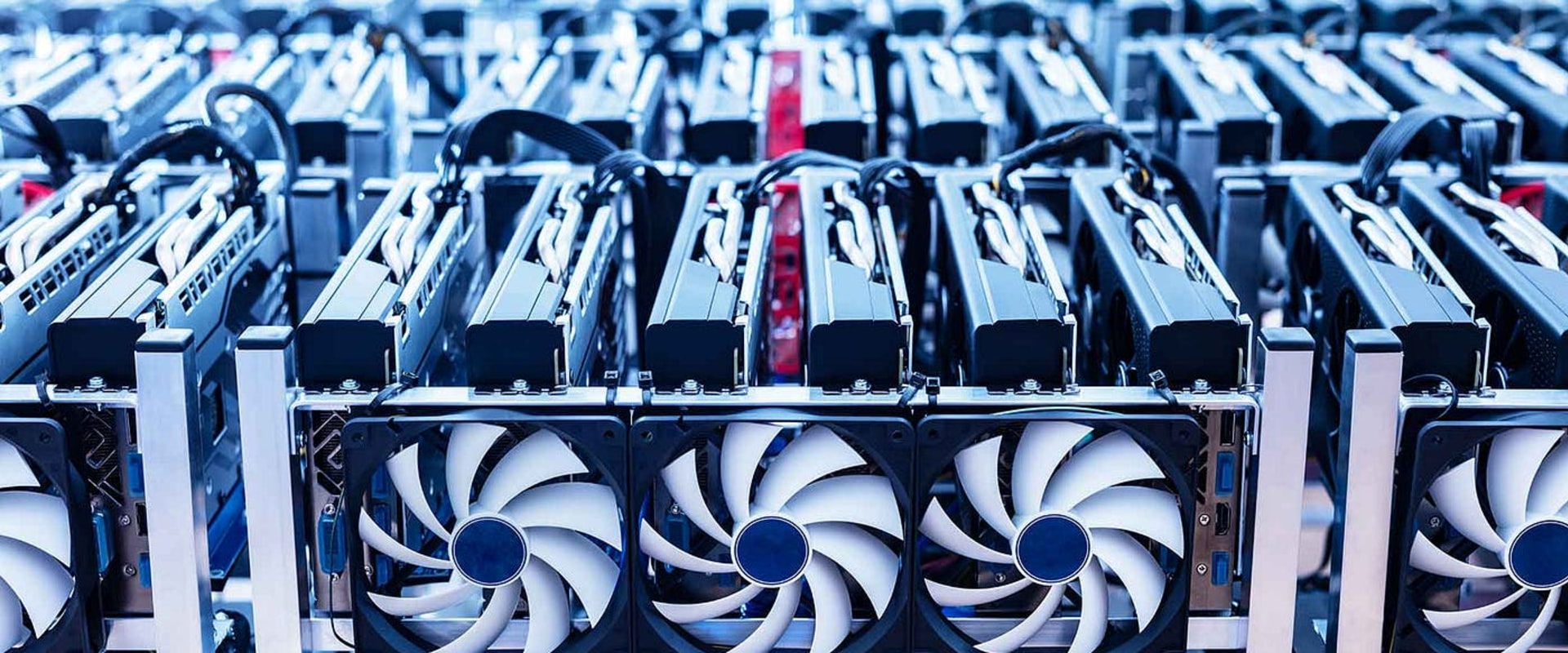
Graphics Processing Unit (GPU) : GPUs are the heart of most mining rigs, especially for those who opt for GPU mining.
They are designed to handle complex calculations and can mine multiple cryptocurrencies, not just Bitcoin. When selecting GPUs, consider their hash rate (the speed at which they can solve cryptographic puzzles) and power consumption. Popular choices include NVIDIA and AMD graphics cards.
-
Application-Specific Integrated Circuit (ASIC) : For those serious about Bitcoin mining, ASIC miners are the most efficient option available. These devices are specifically designed to mine Bitcoin and offer significantly higher hash rates compared to GPUs.
While they come with a higher upfront cost, their efficiency can lead to greater long-term profitability.
- Motherboard : The motherboard connects all components of your mining rig. It’s essential to choose a motherboard that supports multiple GPUs if you plan to scale your operation. Look for motherboards with enough PCIe slots and good compatibility with your chosen CPUs and GPUs.
-
Power Supply Unit (PSU) : A reliable power supply is critical for any mining rig. It should provide sufficient wattage to support all components, especially if you’re using multiple GPUs or ASICs.
Look for high-efficiency PSUs (80 Plus Gold or Platinum rated) to minimize energy costs.
- Cooling System : Mining generates significant heat, which can affect performance and longevity of your hardware. Implementing an effective cooling system is vital. This can include case fans, aftermarket GPU coolers, or even liquid cooling solutions for high-performance setups. Ensure proper airflow within your rig to keep temperatures down.
Each component must be chosen carefully to ensure optimal performance and efficiency in your mining endeavors.
Choosing the Right Hardware for Your Mining Rig
When embarking on your journey to create a Bitcoin mining rig, one of the most critical decisions you'll face is selecting the right hardware. The efficiency and profitability of your mining operation largely depend on the components you choose. Below, we will explore various types of mining hardware, their advantages and disadvantages, and how to select the best equipment based on your budget and mining goals.Types of Mining Hardware
-
CPU Mining: Central Processing Units (CPUs) are the most basic form of mining hardware. While they can be used for mining Bitcoin, they are generally not efficient due to their low hash rates.
CPU mining is more suitable for beginners who want to experiment without significant investment.
- GPU Mining: Graphics Processing Units (GPUs) are a popular choice among miners due to their versatility and higher performance compared to CPUs. They can mine multiple cryptocurrencies and are relatively easier to set up. However, they consume more power and may require additional cooling solutions.
-
FPGA Mining: Field-Programmable Gate Arrays (FPGAs) offer a balance between efficiency and flexibility. They consume less power than GPUs while providing higher hash rates.
However, they require technical expertise to configure and can be more expensive upfront.
- ASIC Mining: Application-Specific Integrated Circuits (ASICs) are designed specifically for Bitcoin mining. They offer the highest hash rates and energy efficiency but come with a hefty price tag. ASIC miners are ideal for serious miners looking to maximize their profits.
Comparing Hardware Options
When comparing different types of mining hardware, consider the following factors:- Hash Rate: This measures the speed at which your hardware can solve cryptographic puzzles. Higher hash rates lead to better chances of earning Bitcoin.
-
Power Consumption: Efficient hardware consumes less electricity, which is crucial for maximizing profits.
Look for devices with a good hash rate-to-power consumption ratio.
- Initial Cost: Your budget will significantly influence your choice of hardware. ASIC miners tend to be more expensive but can yield higher returns in the long run.
- Longevity and Upgradability: Consider how long you expect your hardware to last and whether it can be upgraded in the future as technology evolves.
Always conduct thorough research before making a purchase to ensure that your chosen hardware aligns with your mining strategy.
Mining Software: Choosing the Right Tools
When it comes to Bitcoin mining, selecting the right mining software is just as crucial as having the appropriate hardware. The software you choose will directly impact your mining efficiency, profitability, and overall experience. With a plethora of options available, it’s essential to understand the features that matter most and how they align with your specific mining rig.Key Features to Consider
- Compatibility: Ensure that the software is compatible with your mining rig, whether it’s a CPU, GPU, or ASIC setup. Some software is tailored for specific hardware types.
-
User Interface: A user-friendly interface can make a significant difference, especially for beginners.
Look for software that offers clear navigation and easy access to important metrics.
- Performance Monitoring: Good mining software should provide real-time performance data, including hash rates, temperature readings, and power consumption. This information is vital for optimizing your rig's performance.
- Mining Pool Support: If you plan to join a mining pool, ensure that the software supports your chosen pool. Some software options are designed specifically for certain pools.
- Updates and Community Support: Regular updates can enhance performance and security. Additionally, a strong community can provide valuable insights and troubleshooting assistance.
Popular Mining Software Options
Here are some of the best mining software options available today:
-
CGMiner: One of the most popular choices among miners, CGMiner is an open-source software that supports ASIC and FPGA hardware.
It offers advanced features like fan speed control and remote monitoring.
- BFGMiner: Similar to CGMiner but tailored for FPGA and ASIC devices, BFGMiner provides a modular design that allows users to customize their mining experience. It also includes features like dynamic clocking and monitoring.
- EasyMiner: Ideal for beginners, EasyMiner offers a graphical user interface that simplifies the mining process. It supports both CPU and GPU mining and can connect to various mining pools easily.
- NiceHash: This unique platform allows users to sell their hashing power instead of directly mining Bitcoin. It automatically selects the most profitable coins to mine based on current market conditions.
By considering compatibility, user interface, performance monitoring capabilities, and community support, you can make an informed decision that aligns with your mining goals.
Joining a Mining Pool: Benefits and Considerations
When venturing into the world of Bitcoin mining, one of the most significant decisions you will face is whether to mine solo or join a mining pool. A mining pool is a collective of miners who combine their computational resources to increase their chances of successfully mining Bitcoin blocks. This collaborative approach allows participants to share the rewards based on their contributed processing power, making it an attractive option for beginners.Benefits of Joining a Mining Pool
- Increased Probability of Earning Rewards: Mining Bitcoin solo can be a daunting task due to the high level of competition and the increasing difficulty of mining. By joining a pool, you significantly enhance your chances of earning rewards, as the combined hashing power of the group can solve blocks more efficiently.
-
Steady Income Stream: Mining pools typically distribute rewards more frequently than solo mining.
Instead of waiting for an extended period to solve a block, you can receive smaller payouts regularly, providing a more stable income.
- Access to Resources and Support: Many mining pools offer valuable resources, including tutorials, forums, and technical support. This can be particularly beneficial for beginners who may need guidance on optimizing their mining setup.
- Lower Entry Barriers: Joining a mining pool allows you to participate in Bitcoin mining without needing extensive hardware or technical expertise. You can start with less powerful equipment and still earn rewards by leveraging the pool's collective power.
How to Choose a Mining Pool
Selecting the right mining pool is crucial for maximizing your mining experience. Here are some key factors to consider:
-
Pool Size: Larger pools generally have more computing power, which increases the likelihood of solving blocks quickly.
However, keep in mind that rewards will be split among more members, potentially resulting in smaller individual payouts.
- Fee Structure: Most mining pools charge fees that typically range from 1% to 3% of your earnings. It's essential to review and compare different pools' fee structures to find one that aligns with your financial goals.
- Payout Frequency: Different pools have varying payout schedules. Some may offer daily payouts, while others might have weekly or monthly distributions. Consider how often you want to receive your earnings when selecting a pool.
-
Reputation and Reliability: Research the pool's history and user reviews to ensure it has a good reputation for reliability and timely payouts.
A trustworthy pool will have transparent operations and clear communication with its members.
Optimizing Your Mining Rig for Maximum Efficiency
To maximize the efficiency of your Bitcoin mining rig, it’s essential to implement a series of optimization strategies. These strategies not only enhance performance but also help in managing energy consumption, which is a significant factor in mining profitability.1.Effective Cooling Solutions
Mining generates substantial heat, which can lead to hardware damage and reduced performance if not managed properly. Here are some effective cooling solutions:-
Airflow Management: Ensure that your rig has adequate airflow.
Position fans to create a consistent flow of cool air into the rig while expelling hot air efficiently.
- Aftermarket Cooling Systems: Consider investing in aftermarket cooling solutions such as high-performance fans or liquid cooling systems. These can significantly lower temperatures compared to standard cooling methods.
- Ambient Temperature Control: Keep your mining environment cool. If possible, set up your rig in a climate-controlled room or use air conditioning to maintain optimal temperatures.
2.Monitoring Tools
Regularly monitoring your mining rig's performance is crucial for identifying issues before they escalate. Utilize the following tools:-
Mining Software: Use mining software that provides real-time statistics on hash rates, temperature, and power consumption.
Popular options include CGMiner and BFGMiner.
- Remote Monitoring Tools: Implement remote monitoring solutions that allow you to check your rig’s performance from anywhere. This can help you respond quickly to any problems.
- Performance Logs: Keep detailed logs of your rig’s performance over time. Analyzing these logs can help you identify trends and make informed decisions about upgrades or adjustments.
3.Energy Consumption Management
Energy costs can eat into your profits, so managing consumption is vital:- Efficient Power Supplies: Invest in high-efficiency power supplies (80 PLUS certified) that reduce energy waste and improve overall efficiency.
- Overclocking Wisely: While overclocking can boost performance, it also increases power consumption and heat output. Find a balance that maximizes hash rate without excessive energy use.
- Power Management Settings: Adjust the power settings on your mining software to optimize energy use during different times of the day based on electricity rates.
Understanding Costs: Budgeting for Your Mining Operation
When embarking on your journey into Bitcoin mining, understanding the costs involved is crucial for effective budgeting and maximizing potential profits.This section will break down the various expenses associated with setting up and maintaining a mining operation, including hardware costs, electricity expenses, and other operational costs.
Hardware Costs
The first significant expense you will encounter is the cost of the mining hardware itself. The type of rig you choose will greatly influence your initial investment:- ASIC Miners: These are the most efficient and powerful options for Bitcoin mining. Prices can range from $1,000 to over $10,000 depending on the model and its hash rate capabilities.
- GPU Rigs: If you opt for a GPU mining rig, expect to spend between $500 to $3,000 for a setup that includes multiple graphics cards. Keep in mind that while GPUs can mine other cryptocurrencies, they are less efficient for Bitcoin.
-
Cooling Systems: Effective cooling is essential to maintain optimal performance.
Depending on your setup, cooling solutions can add an additional $100 to $500 to your budget.
Electricity Expenses
Electricity is one of the largest ongoing costs in Bitcoin mining. The energy consumption of your mining rig will depend on its power requirements and how long it operates each day. Here’s how to estimate your electricity costs:- Calculate Power Consumption: Determine the wattage of your mining rig. For example, an ASIC miner may consume around 1,500 watts.
- Estimate Daily Usage: If you run your rig 24/7, multiply the wattage by 24 hours to find daily consumption in watt-hours.
- Convert to Kilowatt-Hours (kWh): Divide by 1,000 to convert watt-hours to kilowatt-hours.
- Calculate Monthly Costs: Multiply your kWh usage by your local electricity rate (typically between $0.10 and $0.30 per kWh) to estimate monthly electricity costs.
Other Operational Costs
In addition to hardware and electricity, consider these other potential expenses:-
Internet Connection: A stable internet connection is necessary for mining operations.
Monthly costs can range from $50 to $100.
- Pools Fees: If you join a mining pool, be prepared for fees that typically range from 1% to 3% of your earnings.
- Maintenance and Repairs: Over time, hardware may require repairs or replacements, so budgeting for maintenance is wise.
<strong>Staying Informed: The Evolving World of Bitcoin Mining</strong>
In the fast-paced realm of Bitcoin mining, staying informed is not just beneficial; it’s essential for success. The landscape of cryptocurrency is constantly shifting, influenced by technological advancements, regulatory changes, and market dynamics. Here are some key strategies to ensure you remain at the forefront of this evolving industry.Engage with Online Communities
One of the most effective ways to stay updated is by engaging with online communities dedicated to Bitcoin mining. Platforms such as Reddit, BitcoinTalk, and various Discord servers host discussions where miners share their experiences, insights, and tips.Participating in these forums can provide you with:
- Real-time updates: Learn about the latest software updates, hardware releases, and mining strategies.
- Peer support: Connect with other miners who can offer advice and troubleshooting assistance.
- Market trends: Gain insights into market fluctuations that could impact your mining profitability.
Follow Reputable News Sources
In addition to community engagement, following reputable news sources is crucial. Websites like CoinDesk, CoinTelegraph, and CryptoSlate provide in-depth articles and analyses on Bitcoin mining and the broader cryptocurrency market. Subscribing to newsletters or alerts from these sources can help you:- Stay informed: Receive timely updates on regulatory changes that may affect your operations.
- Understand technological advancements: Learn about new mining technologies that could enhance your rig's performance.
- Monitor market sentiment: Gauge public perception and investor interest in Bitcoin.
Adapt to Technological Changes
The technology behind Bitcoin mining is continually evolving. New hardware and software solutions are regularly introduced to improve efficiency and reduce energy consumption.To remain competitive, consider:
- Upgrading your hardware: Invest in the latest ASIC miners or GPUs that offer better hash rates.
- Exploring new software: Utilize mining software that optimizes performance through features like automatic overclocking or real-time monitoring.
- Experimenting with different mining pools: Join various pools to find one that maximizes your earnings based on current network conditions.